
US Train Routes: Complete Guide to Train Travel in America
US train routes connect major cities, regional destinations and some of the country’s most memorable landscapes. From practical Northeast city journeys to long-distance rail trips across multiple states, travelling by train can offer a different way to experience America.
This guide introduces the main types of train routes in the United States, explains how to plan a rail journey and helps travellers understand what to expect before arriving at the station.
US Train Routes at a Glance
- Route types: City-to-city, regional, long-distance and scenic journeys
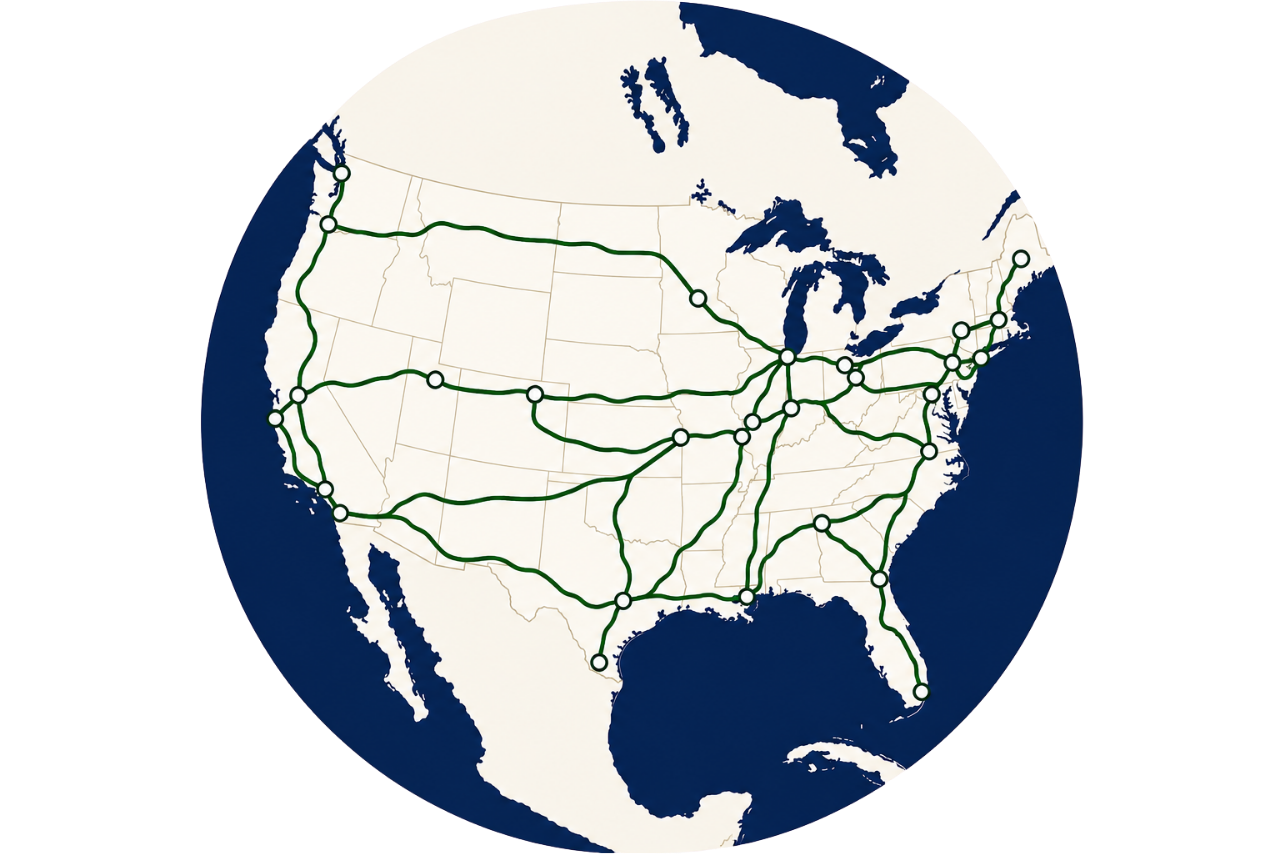
- Major travel areas: Northeast, Midwest, California, Pacific Northwest, South and Southwest
- Popular city connections: Boston, New York, Philadelphia, Washington, DC, Chicago, Los Angeles and Seattle
- Best for: City breaks, scenic travel, long-distance vacations and car-free trips
- Before travelling: Confirm live times, station details and service updates
Explore US Train Routes
Train travel in the United States varies greatly by region. Some routes provide frequent connections between large cities, while others are longer journeys designed for travellers who want to cross states and enjoy the scenery along the way.
Our US train route guides help you research departure stations, arrival stations, major stops, route types and practical travel advice. Use them to plan your journey, then check official travel information before booking or leaving for the station.
For general planning advice and ideas for exploring America by rail, visit our US Train Travel Guide.
Tips for First-Time US Train Travellers
- Arrive in good time: Give yourself enough time to find the entrance, waiting area and departure platform or gate.
- Check train status: Review current departure information before leaving for the station.
- Keep essentials with you: Store tickets, identification, valuables, medication, chargers and water in a small personal bag.
- Pack for comfort: Bring headphones, entertainment, a charger and an extra layer of clothing for longer journeys.
- Understand your route: Check whether the journey is direct or involves a connection.
- Allow time for transfers: Avoid booking overly short connections between trains, flights or other travel services.
- Check station access: Confirm parking, local transit, rideshare pickup areas and accessibility details before travelling.
Travel tip: On a long-distance journey, treat arrival time as an estimate rather than a fixed appointment. Plan your onward travel with a comfortable time buffer.
Types of Train Routes in the United States
Northeast City-to-City Routes
The Northeast is one of the most useful regions in the United States for intercity train travel. Rail journeys connect major cities including Boston, New York City, Philadelphia, Baltimore and Washington, DC.
These routes are popular with business travellers, weekend visitors, students and people planning multi-city trips. Because major stations are generally located in or near downtown areas, travellers can often continue easily by subway, bus, taxi or rideshare.
Long-Distance Train Routes
Long-distance train routes are ideal for passengers who want to experience a broader view of the United States. These journeys may travel through several states and can include overnight accommodation, dining options and extended periods of scenic travel.
Long-distance rail travel requires more flexibility than a short city journey. Plan comfortable connection times and avoid scheduling important activities immediately after your expected arrival.
Regional Train Routes
Regional routes connect cities and towns within particular parts of the country. They can be useful for day trips, airport-area connections, university travel, business travel and exploring destinations without renting a car.
Regional rail journeys may have different schedules, amenities and station arrangements than long-distance services, so review your specific route before travelling.
Scenic Train Routes
Some train journeys are especially popular because of the landscapes visible from the window. Depending on the route, travellers may see coastlines, deserts, forests, mountains, rivers, plains and small towns.
If scenery is important to your trip, research daylight sections of the route, consider the season and allow time to enjoy the journey rather than treating it only as transportation.
Popular US Train Travel Regions
Northeast United States
The Northeast offers some of the most practical rail journeys in the country. Travellers can use trains to connect major cities, including Boston, New York City, Philadelphia and Washington, DC.
Midwest
Chicago is a major rail hub for the Midwest and an important starting point for many longer journeys. The region is useful for travellers connecting between large cities, smaller communities and long-distance routes in several directions.
California
California has a range of rail journeys connecting major cities, coastal communities and regional destinations. Train travel can be particularly useful for visitors who want to combine urban sightseeing with coastal or regional travel.
Pacific Northwest
The Pacific Northwest offers routes connecting cities and scenic landscapes in Washington and Oregon. This area is popular with travellers interested in coastlines, forests, mountain views and city breaks.
South and Southwest
Rail routes in the South and Southwest can connect major cities with distinctive desert, mountain and cultural landscapes. Travel distances can be long, so plan your itinerary with enough flexibility for a comfortable experience.
How to Plan a US Train Route
Choose your travel style
Start by deciding whether you want a short city-to-city journey, a regional day trip or a long-distance rail vacation. Your travel style affects the route, ticket type, station choice and amount of time you should allow.
Confirm departure and arrival stations
Large US cities can have multiple rail, subway, commuter rail and bus stations. Always confirm the full station name shown on your ticket and check how you will reach the station before departure.
Check the journey details
Review the scheduled departure time, expected arrival time, stops, onboard features and any connection information for your specific train. Details can vary between services on the same route.
Build flexibility into your itinerary
Flexibility is especially important for longer US train routes. Allow plenty of time before flights, cruises, events, hotel check-ins or other onward travel. A less rushed itinerary makes the journey much more enjoyable.
Plan your arrival connection
Before reaching your destination, check whether you will walk, use local transit, take a taxi, arrange a rideshare or rent a car. This is particularly important when arriving late in the day or at a station outside the city centre.
Check Current US Train Information
Route availability, timetables, station facilities, onboard services and travel conditions can change. Use route guides for planning context, then confirm the final details directly with the operator before travelling.
For current route information, schedules and travel updates, visit Amtrak Routes and Destinations.
Important: This page provides general travel information. Train times, routes, equipment, station facilities and service availability can change. Always check official information before your journey.
For current route details, schedules, train status and travel notices, check the official rail operator before your journey. For Amtrak services, use the official Amtrak website to confirm the latest information.